
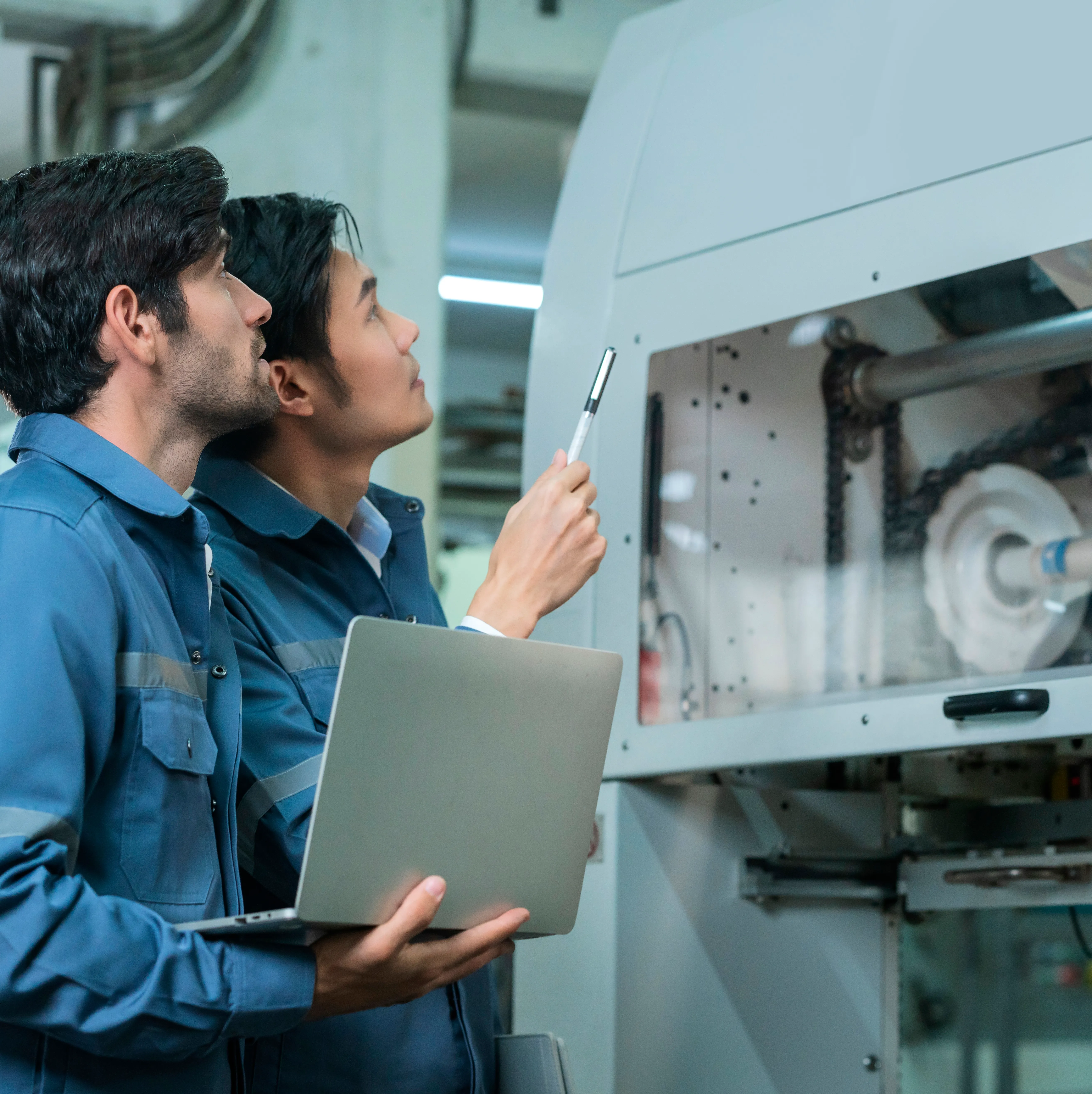
Unplanned downtime and rising repair costs can bring even the most efficient production lines to a halt. For manufacturers relying on CNC and laser cutting machines, every hour of inactivity means lost output, delayed orders, and reduced profitability. Preventive maintenance provides a proactive way to extend machine lifespan, maintain precision, and avoid costly breakdowns before they occur. By following regular maintenance schedules, operators can ensure smoother performance, consistent quality, and reliable production. Both CNC and laser systems perform best when cared for consistently. Let’s explore how simple maintenance practices can keep your machines running like new.
Why Preventive Maintenance Matters:
Regular preventive maintenance is one of the simplest ways to protect your production efficiency and equipment investment. By taking small, consistent steps, manufacturers can avoid the high costs of unplanned downtime and keep every system running at peak performance.
Reduced Downtime and Unexpected Failures:
When maintenance is planned, repairs become predictable. Routine checks help identify issues before they cause full breakdowns, keeping your CNC and laser cutting machines available when you need them most.
Improved Accuracy and Consistency:
Precision is essential in modern manufacturing. Proper calibration, alignment, and lubrication ensure that every cut, contour, and movement stays accurate over time, even under heavy workloads.
Lower Long-Term Operating Costs:
Preventive maintenance lowers total ownership costs by reducing emergency repairs and extending component life. Replacing worn parts on schedule is always more cost-effective than repairing critical damage later.
Better Energy Efficiency and Safer Operation:
Clean, well-maintained machines operate with less friction, lower resistance, and improved power efficiency. This not only saves energy but also enhances operator safety by reducing overheating, leaks, or sudden malfunctions.
CNC Machine Maintenance Essentials:
1. Daily Maintenance: Daily maintenance is the foundation of reliable CNC performance. These small, consistent actions prevent buildup, reduce wear, and maintain production quality. At the start or end of each shift, operators should dedicate time to cleaning and inspection before the next production cycle begins.
2. Clean Chips and Coolant Areas: Chips, dust, and residue can accumulate quickly inside CNC enclosures. If left unattended, they cause tool wear, clog coolant systems, and lead to heat buildup. Cleaning the work area, tool holders, and coolant filters daily ensures smooth operation and prevents contamination. Fresh coolant should always be checked for proper flow and clarity before machining.
3. Inspect Tool Holders and Cutting Tools: Tool holders play a critical role in precision. Operators should inspect for signs of wear, cracks, or improper seating. Damaged or unbalanced tools can lead to poor surface finishes and increased vibration during cutting. Wiping tool holders clean and checking for proper torque help maintain spindle accuracy.
4. Visual System Check: A quick visual inspection of electrical panels, cables, and sensors can identify leaks, loose fittings, or unusual noise early. These small observations often prevent costly repairs later.
5. Keep Records: Logging daily maintenance helps track performance trends and identify patterns over time. Even brief notes about coolant levels or tool changes provide valuable insight for long-term care.
Daily upkeep may seem minor, but it forms the foundation of dependable CNC performance. Regular scheduling with professional technicians further ensures accuracy and consistent productivity.
Laser Cutting Machine Maintenance Essentials:
Consistent maintenance ensures laser cutting machines operate at full precision, speed, and safety. A structured routine helps prevent costly downtime, maintain beam quality, and extend component lifespan. Each task, from daily cleaning to annual calibration, supports long-term performance and consistent cut accuracy.
1. Daily Maintenance: Clean the laser’s lenses and mirrors to remove dust, residue, or debris that can reduce beam power or cause poor edge quality. Check assist gas pressure levels to ensure stable cutting performance and prevent incomplete or uneven cuts. A clean optical path and proper gas flow are essential for consistent results.
2. Weekly Maintenance: Inspect the cooling system to confirm that water circulation is steady and free from blockages. Replace filters to prevent overheating and maintain system efficiency. Clean cooling fans and vents to ensure proper airflow and temperature control.
3. Monthly Maintenance: Check beam alignment and lubricate guide rails to reduce wear and vibration. Misalignment can affect precision, while proper lubrication helps maintain smooth, accurate motion throughout the cutting process.
4. Annual Maintenance: Replace worn optics, seals, and filters to restore cutting performance. Recalibrate the focus system to maintain accurate beam delivery and consistent cut depth.
Maintenance Tip: Always use CE-certified replacement parts to ensure safety and compliance. High-quality components reduce the risk of malfunctions and guarantee reliable operation. Regular attention to these tasks keeps laser systems running efficiently and supports long-term production stability.
Signs Your Machines Need Maintenance:
Recognizing early signs of wear is the best way to prevent unexpected downtime and protect production quality. Both CNC and laser cutting machines provide clear indicators when maintenance is due. Addressing these issues promptly helps reduce repair costs and extend machine lifespan.
Declining Cut Precision or Rougher Edges:
If finished parts show uneven cuts, poor surface quality, or inconsistent dimensions, it often indicates misalignment, tool wear, or optical contamination. Regular calibration and cleaning restore precision and prevent long-term damage to core components.
Strange Noises or Vibrations:
Unusual sounds, increased vibration, or irregular spindle movement can signal mechanical imbalance or loose fittings. Ignoring these warning signs may lead to bearing damage or misaligned assemblies. Stopping production briefly for inspection is always better than facing major repair downtime later.
Slow Start-Up Times or Software Errors:
Delays during startup or recurring error messages often point to control system faults, outdated software, or sensor issues. Keeping firmware updated and performing diagnostic checks helps maintain reliable system performance.
Increased Power Consumption:
A noticeable rise in power usage without higher output suggests mechanical resistance, poor lubrication, or clogged filters. Regular monitoring of energy data helps identify issues before they affect production costs.
Early Detection Saves Money:
Addressing problems at the first sign of change is far more cost-effective than waiting for complete failure. Early intervention ensures continued precision, safety, and efficiency throughout your production process.
The Value of a Service Contract:
Predictable Costs and Peace of Mind:
A service contract provides manufacturers with financial stability and consistent support throughout the year. By scheduling regular maintenance, calibration, and inspections, operators can avoid sudden repair bills and production delays. Predictable service intervals make it easier to plan budgets and maintain continuous operation without unexpected interruptions.
Priority Support and Expert Oversight:
Service contracts often include priority response times and on-site visits from certified technicians. These professionals ensure machines remain calibrated, lubricated, and operating within specification. With Distropa’s dedicated teams in Genk and Shanghai, clients receive CE-compliant service designed to minimize downtime and maintain production quality. A structured service plan delivers reliability, efficiency, and lasting equipment performance.
When You Need a Replacement More Than Maintenance:
Recognising When It Is Time to Upgrade:
There comes a point when regular servicing no longer provides meaningful returns. Escalating maintenance costs, recurring failures, or declining accuracy often indicate that replacement is the smarter investment.
Making a Data-Driven Decision:
By reviewing maintenance records and performance data, technicians can determine whether a machine is nearing the end of its lifecycle. When repairs become frequent or spare parts hard to source, upgrading to a modern, energy-efficient model restores productivity and precision. Distropa supports manufacturers through this evaluation process, ensuring each replacement aligns with operational goals and long-term cost efficiency.
To learn more about recognizing the right time to upgrade your equipment, read our full guide: When Your CNC Machine Needs Replacing
Avoiding Common Maintenance Mistakes:
1. Over-Lubrication and Contamination: Applying too much lubricant can attract dust and debris, increasing wear instead of reducing it. Use only the recommended amount specified by the manufacturer to maintain clean and efficient motion.
2. Skipping Calibration and Alignment: Neglecting calibration may seem harmless, but even slight deviations affect precision and cut quality. Regular checks help maintain accuracy and prevent wasted material.
3. Using Non-Certified Parts: Cheaper, non-certified components often lack the quality or safety compliance required for industrial environments. Always use CE-certified parts to ensure reliability and protect both operators and equipment.
4. Poor Coolant and Filter Management: Failing to replace filters or maintain coolant quality leads to overheating and performance loss. Consistent monitoring prevents premature wear and costly repairs.
By avoiding these common mistakes, manufacturers can preserve machine accuracy, reduce downtime, and extend operational lifespan effectively.
Conclusion:
Preventive maintenance is essential for keeping CNC and laser cutting machines operating efficiently and reliably. Regular cleaning, calibration, and inspection reduce downtime, improve precision, and extend the lifespan of critical components. Consistent upkeep also lowers repair costs, supports safer operation, and ensures consistent product quality. When combined with a professional service contract, preventive care becomes a strategic investment that maintains productivity and protects long-term performance. By committing to routine maintenance, manufacturers safeguard their equipment, control operational expenses, and build a more stable and profitable production environment that continues to deliver consistent results over time.
Leave a Reply