
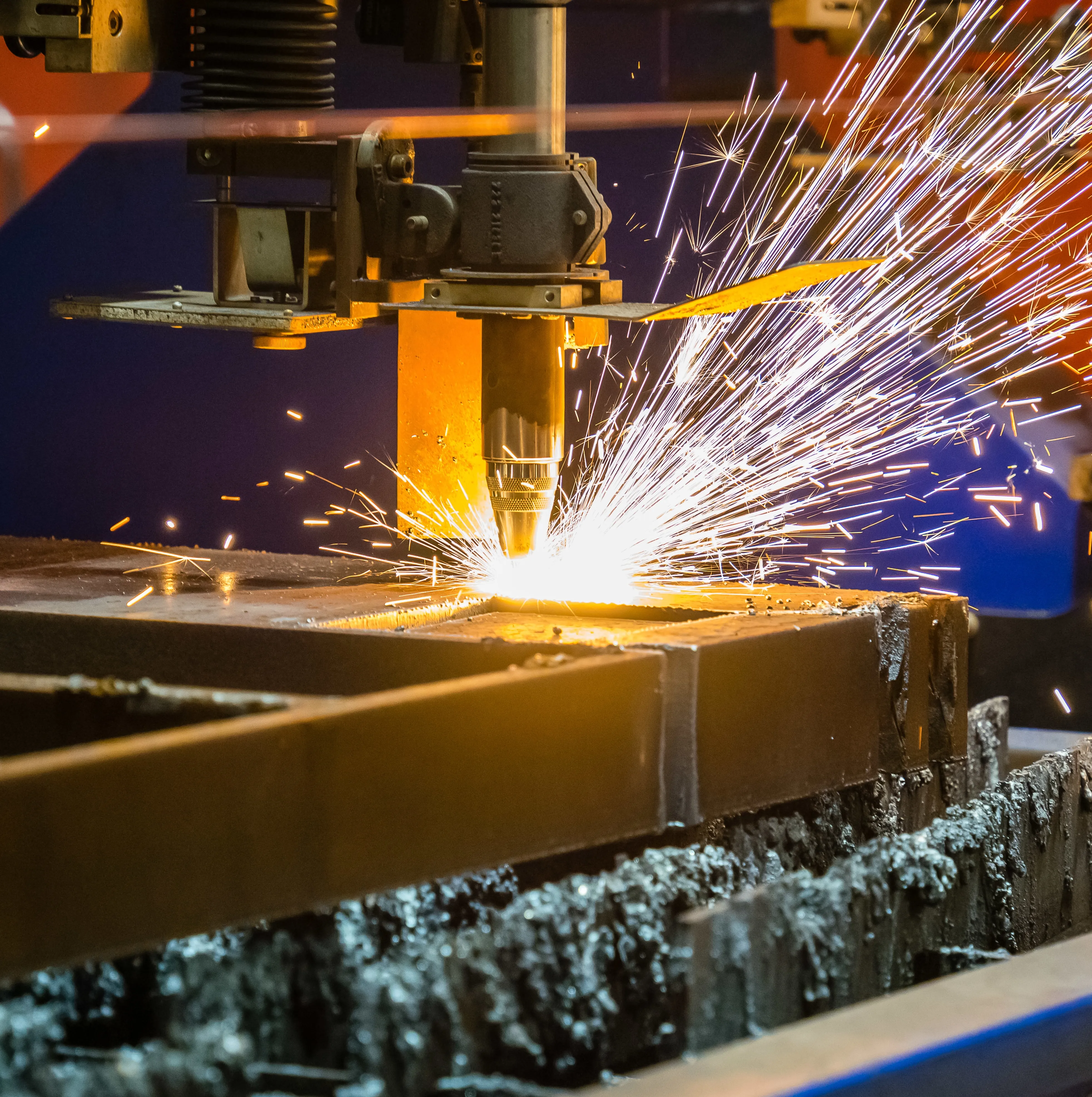
You have identified a laser cutter that appears to meet your production requirements in terms of precision, power, and price. However, the purchase price represents only a portion of the total investment. Ownership costs extend far beyond the initial payment and include installation, calibration, energy consumption, maintenance, and consumables such as lenses, nozzles, and assist gases. Each of these factors has a measurable impact on long-term operational efficiency and profitability. This article provides a detailed breakdown of the true cost of owning a laser cutter and examines how different technologies such as CO₂, fiber, and diode influence overall expenditure and return on investment.
What Influences the Price of a Laser Cutter?
Selecting a laser cutter involves more than comparing wattage or brand names. The total cost of a system is shaped by several interconnected factors, from the type of laser source to the size of the working bed, as well as accessories, automation options, and even regional import costs. Understanding these cost drivers helps buyers align investment with their production goals and avoid overspending on unnecessary features.
1. Laser Type and Source:
The laser source is the single most significant factor influencing cost. Each type offers different performance characteristics and operational efficiencies.
CO₂ Lasers are widely used for cutting non-metal materials such as wood, acrylic, plastics, and textiles. They are generally more affordable upfront but have higher running costs due to gas consumption and optical alignment requirements.
Fiber Lasers dominate metal cutting applications. They are more expensive to purchase but offer superior energy efficiency, faster cutting speeds, and lower maintenance. Fiber lasers handle reflective materials such as copper, brass, and aluminum with minimal performance loss, making them ideal for industrial metal fabrication.
Diode Lasers are compact and inexpensive but limited in power output. They are suitable for engraving and light cutting of thin materials rather than heavy industrial use.
Solid-State Lasers such as Nd:YAG or Disc lasers are used in precision applications including electronics and medical components. Their cost is high, but they deliver exceptional beam quality and consistency.
The choice between these sources depends on material type, thickness, and production volume. Cutting metals efficiently requires fiber or solid-state lasers, while non-metals are best processed with CO₂ systems.
2. Power and Cutting Capacity:
Laser power, measured in watts, directly affects both cost and performance. Higher wattage systems can cut thicker materials and operate at faster speeds, which increases productivity but also raises purchase and operating expenses.
Entry-level CO₂ machines may start at 40 to 150 watts and are suitable for light materials. Fiber lasers used in metalworking typically range from 1000 to 6000 watts, with industrial-grade systems exceeding 10,000 watts. The difference in cost between a 2 kW and 6 kW fiber laser can exceed €40,000, depending on configuration.
The size of the cutting bed also influences price. Compact bench-top machines are affordable and ideal for prototypes or small parts. In contrast, large-format industrial systems with bed sizes of 1500 × 3000 mm or greater allow for full-sheet processing, reducing handling time but requiring more floor space and higher initial investment.
3. Build Quality and Brand:
Machine durability, precision, and reliability depend heavily on build quality. A rigid frame minimizes vibration, ensuring consistent cutting accuracy. High-end motion systems, precision ball screws, and linear rails contribute to smoother operation and longer service life.
Brands that invest in superior optics, stable cooling systems, and safety features command higher prices but often deliver lower long-term maintenance costs. Reputable manufacturers such as Bodor, XT Laser, and Yihai Laser also provide better after-sales support, which includes training, spare parts, and warranty coverage.
4. Features and Accessories:
Optional features can significantly influence the total price. Integrated chillers, fume extraction units, and gas assist systems improve performance and safety but add to the upfront cost. Automation modules such as auto-loading tables or nesting software streamline workflow and are particularly valuable in high-volume production environments.
Software licenses also contribute to cost. Machines equipped with advanced CAD/CAM integration or proprietary control systems may carry higher initial prices but reduce programming and setup time.
5. Regional and Logistical Costs:
Finally, regional factors such as import duties, shipping fees, and site preparation costs affect the total investment. Large laser systems often require specialized transport and installation teams. Facilities may need upgraded electrical infrastructure, ventilation systems, or reinforced foundations before installation can begin. These costs can add several thousand euros to the total project budget.
Typical Price Ranges by Use Case:
Laser cutter pricing varies significantly depending on production scale, laser source, and automation requirements. For small and medium manufacturers, the goal is to balance investment cost with long-term reliability and productivity. Understanding these typical price ranges helps align each system type with its most suitable operational context.
Entry-Level for SMEs:
Entry-level systems are designed for workshops or small factories investing in their first professional laser cutter. These typically include low- to mid-power CO₂ machines or compact fiber lasers suited for light sheet metal, acrylic, or composite cutting. While they feature smaller bed sizes and limited automation, they deliver sufficient precision for short production runs and prototyping.
- Typical Price Range: €5,000 to €20,000 depending on configuration and brand.
- Applications: Metal signage, small fabrication tasks, and prototype development.
- Advantages: Affordable entry point, low operating cost, and simple maintenance.
These machines allow SMEs to begin adopting automation technology without committing to a high-capital industrial setup.
Mid-Range Industrial Systems:
Mid-range models serve growing manufacturers requiring higher throughput and reliability. These include fiber lasers rated from 2 kW to 6 kW, with bed sizes around 1500 × 3000 mm and improved cooling, extraction, and motion systems. Many are compatible with light automation, such as pallet changers or semi-automatic feeders.
- Typical Price Range: €20,000 to €100,000 depending on power, bed size, and features.
- Applications: General sheet metal processing, machinery component cutting, and mid-volume contract manufacturing.
- Advantages: Greater cutting versatility, higher productivity, and compatibility with CAD/CAM and ERP integration.
This price range delivers the best cost-to-performance ratio for most SME manufacturers transitioning toward industrial automation.
Heavy-Duty and Fully Automated Systems:
At the top end of the market are high-power fiber laser systems engineered for continuous, high-volume production. These systems typically exceed 6 kW and feature large cutting beds, advanced motion control, and full automation for loading, unloading, and part sorting.
- Typical Price Range: €100,000 to more than €500,000 depending on output power, automation complexity, and brand.
- Applications: Large-scale metal fabrication, OEM component production, and 24-hour industrial automation.
- Advantages: Maximum productivity, reduced manual handling, and long service life under demanding workloads.
For manufacturers operating in automated environments, these systems deliver the speed, consistency, and operational efficiency required for sustained industrial output.
| Category | Laser Type / Power | Work Area (Approx.) | Typical Price Range (€) | Primary Applications | Key Advantages |
|---|---|---|---|---|---|
| Entry-Level for SMEs | CO₂ (100–300 W) or Fiber (500–1500 W) | 900 × 1300 mm | €5,000 – €20,000 | Light sheet metal, signage, prototyping | Affordable setup, low operating cost, easy maintenance |
| Mid-Range Industrial Systems | Fiber (2–6 kW) | 1500 × 3000 mm | €20,000 – €100,000 | Sheet metal processing, machinery components, contract manufacturing | High precision, faster cycle times, compatible with automation |
| Heavy-Duty / Fully Automated Systems | Fiber (6–15+ kW) | 2000 × 4000 mm or larger | €100,000 – €500,000+ | Large-scale fabrication, OEM production, continuous operation | Maximum throughput, integrated automation, long service life |
| Specialty / Precision Systems | UV, Green, or Disc Lasers | Varies (custom-built) | €500,000+ | Aerospace, electronics, medical, precision microfabrication | Ultra-high precision, advanced optics, built for specialized materials |
Breakdown of Ongoing and Operational Costs:
For industrial users, the purchase price of a laser cutter represents only part of its total cost of ownership (TCO). Operational expenses often determine long-term profitability, especially in high-throughput environments. The following sections outline the main categories that influence day-to-day and annual expenditures.
Consumables and Optics:
Laser systems require regular replacement of consumable components such as lenses, mirrors, nozzles, and protective cover glasses. Their lifespan depends on usage intensity, cutting environment, and maintenance quality. Typically, replacement cycles range from several weeks for nozzles to several months for optical lenses.
Assist gases such as oxygen, nitrogen, or compressed air are also recurring costs. Gas purity and pressure requirements directly influence both performance and expenditure. For example, high-purity nitrogen for fiber lasers can account for a substantial portion of monthly operating costs. Cooling liquids, filters, and other supporting materials must also be replenished at scheduled intervals to maintain consistent beam quality.
Energy and Electricity Costs:
Power consumption varies significantly depending on laser wattage, duty cycle, and auxiliary systems such as chillers and exhaust units. A mid-range 4 kW fiber laser typically consumes between 8 and 12 kWh per hour, translating to an approximate running cost of €1.50–€2.50 per hour based on local electricity rates. Larger industrial machines with automation and high-power lasers can exceed €5 per operating hour. Efficient scheduling and optimized cutting paths can help reduce these costs over time.
Labor, Operation, and Supervision:
Even with automation, laser cutters require trained operators for programming, setup, and quality monitoring. Depending on the complexity of the process, labor costs can represent 15–25% of total operational expenses. Time spent on material handling, machine calibration, and cleaning also adds up. Skilled labor improves output consistency but comes at a higher cost, particularly for high-precision applications.
Maintenance, Service, and Repairs:
Preventive maintenance is crucial for uptime and long-term reliability. Routine servicing includes alignment checks, lubrication, filter changes, and inspection of laser sources. Fiber laser sources can operate for tens of thousands of hours before replacement, while CO₂ tubes have shorter lifespans. Unplanned downtime, component failures, and service delays can result in significant hidden costs.
Depreciation and Value Retention:
Industrial laser systems depreciate gradually, typically losing 15–25% of their value annually during the first few years. Brand reputation, service availability, and software compatibility influence resale potential. Machines with modular upgrades and modern control systems tend to retain value longer, providing better long-term returns.
Other Overheads:
Additional costs include ventilation and dust extraction systems, insurance premiums, safety equipment, and staff training. Facilities may also require reinforced flooring, dedicated electrical infrastructure, or air conditioning for thermal stability. Compliance with safety standards and local regulations further contributes to recurring expenses.
| Category | Examples / Inclusions | Estimated Annual Cost Range (€) | Impact on TCO |
|---|---|---|---|
| Consumables & Optics | Lenses, nozzles, mirrors, assist gases | 3,000 – 10,000 | Moderate to high depending on usage |
| Energy / Electricity | Power for laser, chiller, exhaust | 2,000 – 8,000 | Moderate, scales with production time |
| Labor / Operation | Operators, setup, supervision | 15,000 – 40,000 | High, especially for manual workflows |
| Maintenance & Repairs | Preventive service, spare parts | 3,000 – 12,000 | Moderate to high if uptime is critical |
| Depreciation | Annual value loss | 10–25% of purchase price | Significant over multi-year use |
| Other Overheads | Facility, safety, insurance | 2,000 – 6,000 | Moderate, often fixed costs |
Hidden Costs and Pitfalls to Watch Out For:
When evaluating laser cutters for industrial automation, hidden expenses can undermine expected returns. Understanding where these costs arise helps prevent budget overruns and unplanned downtime.
Cooling and Component Reliability:
Inadequate or undersized cooling systems are a common cause of premature laser source failure. Without stable temperature regulation, optics and tubes degrade faster, leading to costly replacements and interruptions in production. Investing in a high-quality chiller with proper capacity is essential for long-term reliability.
Optical Quality and Maintenance Frequency:
Low-grade mirrors, lenses, or protective windows can severely impact cut quality and beam stability. While they reduce upfront costs, frequent replacements and recalibration quickly offset any savings. Choosing reputable optical suppliers and maintaining clean environments reduces these recurring expenses.
Safety and Environmental Requirements:
Industrial systems require proper fume extraction, ventilation, and filtration. Compliance with environmental and workplace safety standards may demand additional investment in air handling, fire suppression, or noise control equipment. These are often overlooked during initial cost planning.
After-Sales Support and Downtime:
Limited regional support or long lead times for replacement parts can result in expensive idle periods. Prioritize suppliers with responsive service and readily available components to maintain productivity.
Feature Overload:
Over-specifying systems with unused automation or cutting features increases purchase price and complexity without improving ROI. Assess operational needs carefully before committing.
How to Estimate ROI and Break-Even for Your Specific Situation?
Determining the return on investment (ROI) for a laser cutter helps justify the purchase and plan production capacity. The goal is to understand when the machine begins to generate profit beyond its total cost of ownership.
Key Inputs for ROI Calculation:
An accurate ROI model includes all major cost components: the purchase and installation cost, annual operating expenses (energy, consumables, labor, and maintenance), and the expected resale value after several years of use. On the revenue side, utilization rate and hourly output are critical. Higher machine uptime directly improves payback speed.
Simple Break-Even Formula:
A basic model to estimate break-even operating hours is:
Break-even hours = (Purchase + Installation + Annual Fixed Costs) ÷ (Revenue per Hour − Variable Cost per Hour)
For example, consider a €100,000 fiber laser with €10,000 in yearly fixed costs and a €60 per hour operating rate. If the machine earns €120 per productive hour, the payback point occurs at roughly 1,667 operating hours, or about one year at 35 hours per week.
Checklist: What to Ask or Verify Before Buying
Before purchasing a laser cutter for industrial automation, confirm the following points to ensure long-term reliability and efficiency:
- Laser type, brand reputation, and warranty coverage.
- Service response times and local technical support availability.
- Power rating, bed size, and overall build quality.
- Optics precision and component quality.
- Cooling, ventilation, and exhaust system requirements.
- Availability and delivery time of spare parts in your region.
- Safety certifications and compliance with CE or local standards.
- Software compatibility and control system integration.
- Training, installation, and after-sales support costs.
Conclusion:
Understanding the true cost of a laser cutter goes far beyond the purchase price. Factors such as laser type, power, automation level, and ongoing maintenance all influence the total cost of ownership. For industrial users, efficiency, reliability, and service support often outweigh initial savings. Evaluating operational costs, calculating ROI, and confirming after-sales support are essential to ensure long-term profitability. By carefully comparing specifications and verifying all hidden expenses, manufacturers can invest in a machine that not only meets production goals but also delivers consistent performance and value throughout its operational life.
Leave a Reply